

I’ve dedicated endless hours following the spin of a roulette wheel and the quiet tension of a blackjack hand unfold, and I can tell you that table games hold a special space in the gambling world. Unlike the solitary rhythm of slot machines, table games offer a mix of communal play, strategic nuance, and a concrete sense of control that is missing elsewhere. In Spain, whereby the gaming culture strikes a love for vibrant social gatherings with a deep appreciation for calculated risk, the allure of these classics has intensified. At PiperSpin Casino, I’ve noticed how a well-run table can transform a casual player into a lifelong enthusiast. The question is not whether these games are fun—they are—but which specific elements make them a worthwhile investment of your time and money compared to the flashing lights of contemporary digital alternatives.
Enhanced Value via Lower House Edges
If I ignore the ambiance and concentrate solely on the cold arithmetic, table games are typically the mathematically superior choice. The house edge on a slot machine can fluctuate greatly, commonly sitting between 3% and 10%, hidden behind complex paytables. In contrast, a standard hand of blackjack utilizing perfect basic strategy can lower the house edge to below 0.5%. Even a simple bet on the banker in baccarat carries a house edge of just 1.06%. Over a hundred hands, the expected loss on a table game is frequently a fraction of what it would be on a high-volatility slot with the same initial stake. This doesn’t mean I’ll win more often, but it means my money is inclined to last much longer, offering me more time at the table for the same budget.
I value that table games allow me to navigate these mathematical landscapes. I may select the safe, low-edge bets and ignore the sucker bets, adjusting the risk to my comfort level. Here are three examples of excellent low-edge bets I rely on regularly:
- Blackjack basic strategy play, cutting the house edge to roughly 0.5% when executed correctly.
- The banker bet in baccarat, bearing a slim house edge of just 1.06%.
- A pass line wager in craps backed with full odds, driving the effective house edge toward zero.
This control over the statistical parameters is a luxury rarely afforded by other forms of betting. For players in Spain who view gambling as a long-term hobby rather than a one-off flutter, understanding these margins is crucial. It’s the difference between a pastime that occasionally costs a manageable fee for an evening’s entertainment and one that silently drains funds at an unsustainable rate.
The Strategic Depth You Actually Control
When I sit down at a blackjack table, I’m not just hoping for luck to smile on me. I’m making decisions that mathematically change the house edge with every single hand. That level of agency is exhilarating and, frankly, rare in the casino landscape. In games like blackjack, your decision to hit, stand, split, or double down directly influences the outcome over a long session. I’ve watched players in Spain meticulously apply basic strategy charts, turning a game of chance into a disciplined exercise in probability management. This isn’t about guaranteeing a win; it’s about reducing losses and optimizing the value of your bankroll through skill. The house will always have a statistical advantage, but closing that gap through correct play makes the experience feel less like a lottery ticket and more like a craft you can perfect over time.
Beyond blackjack, poker elevates this strategic element to an artistic level where you aren’t even playing against the house. I’m battling against other minds, reading body language, calculating pot odds, and managing a stack of chips as a tool of psychological warfare. Even in baccarat, which seems purely luck-based, there is a strategic ritual in tracking patterns that stimulates the analytical part of my brain. The conclusion is simple: table games respect your intelligence. They don’t patronize you with random number generators operating in a vacuum; they present a puzzle where your input matters, making every session a learning opportunity rather than a passive drain on your wallet.
The Social Atmosphere That Slots Cannot Replicate
There is a palpable
This social fabric also serves a practical purpose: it regulates the pace of play. When I’m at a table with other people, there’s a natural rhythm determined by the dealer’s shuffle, the placement of bets, and the banter between hands. This slower tempo stops the rapid, isolated loss-chasing that can happen with digital games. I find that the presence of a dealer and fellow players keeps me grounded, motivating me to sip my drink, chat, and think before I act. The value here isn’t just emotional; it’s monetary. A slower game means your bankroll is exposed to the house edge less frequently per https://www.20minutos.es/loterias/loteria-navidad/cuantas-tablas-hay-bolas-numeros-loteria-navidad-2025_5663665_0.html hour, prolonging your entertainment time significantly. You’re paying for an experience, not just a result, and the social component ensures that even a losing session can leave you with a good story.
The Immersive Learning Curve
I have yet to encounter a slot player who spends hours studying a paytable for fun, but I’ve encountered numerous table game enthusiasts who study strategy books and practice drills in their spare time. The learning curve is a source of value. Learning a game like blackjack or poker offers a sense of progression that goes beyond the casino floor. I can train basic strategy on my phone during a commute in Madrid, or analyze hand histories from a home game in Barcelona. This intellectual engagement changes a gambling session from a passive consumption of entertainment into an active skill-building pursuit. The journey from novice to competent player is marked by small victories that have nothing to do with money.
This depth also builds a richer narrative around the wins piperspinscasino.es. When I win a big pot in poker because I successfully bluffed a tighter player, the satisfaction goes beyond the cash; it’s about the confirmation of my read and my courage. When I deviate from basic strategy in blackjack based on a sophisticated counting index and it succeeds, the payout feels amplified by the intellectual effort. This layered reward system ensures the experience stays engaging for years. Slots can become repetitive because the interaction is binary: you press a button and wait. Table games evolve with you. As my skills sharpen, the game reveals new nuances, ensuring that the entertainment value doesn’t decline but grows, making it a sustainable long-term pastime.
Why exactly the Live Dealer Bridge is the Way Forward
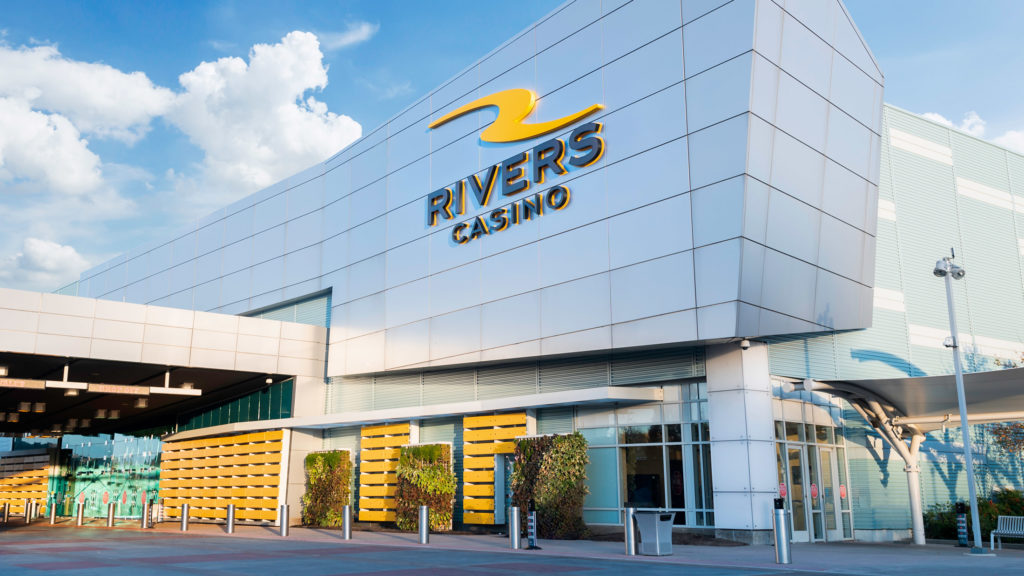
I recognize that not everyone can attend a land-based casino in Spain on a weekday night, and that’s where the development of live dealer studios has revolutionized the game completely. PiperSpin Casino’s live dealer section bridges the gap between the virtual convenience I sometimes need and the authentic table experience I always seek. I can relax at home and observe a real human dealer spin a physical roulette wheel broadcast in high definition from a dedicated studio. The social element isn’t missing either; a live chat function lets me to chat with the dealer and other gamblers. This hybrid model preserves the clarity and trust of a physical game while cutting the travel time, making it the perfect balance for the modern Spanish player who appreciates both authenticity and convenience.
The technology has advanced to a point where I can even find unique game shows and alternatives that combine table game logic with augmented reality, offering side bets and multipliers impossible to manage manually on a physical felt. Yet, the core rules remain preserved: a real person is handing out, a real wheel is rotating, and the results are generated in the physical world. This guarantees that the calculated and interpersonal merits of table games aren’t diluted by the digital platform. I believe this sector embodies the most sustainable growth area in online gambling because it resists to give up the human aspect. It captures the worth-it factors—tactics, clarity, and rhythm—and delivers them through a screen, proving that the soul of table gaming isn’t linked to a physical location but to a series of invaluable human connections.
Clarity and the Tangible Ritual
Observing the Mechanics in Real Time
I have a deep-seated trust issue with digital interfaces when real money is on the line, and I know I’m not alone. Table games strip away the algorithmic mystery and lay the mechanics bare. I can observe the dealer shuffle and cut the physical deck, eliminating any lingering doubt about software manipulation. When the roulette ball spins around the track and finally drops into a pocket, I see physics determining my fate, not a hidden code. This transparency is a significant psychological comfort. In the Spanish market, where players are increasingly savvy about RNG certification but still value authenticity, the physicality of a felt table offers an unique sense of security. Knowing that the game exists in the material world, subject to real friction and human error, makes the risk seem fair and the wins feel earned.
The Ceremony of the Deal
There is also a ceremonial beauty to the process that heightens the stakes. The way a professional croupier spreads the cards across the baize, the precise placement of the puck on a roulette number, and the ritualistic squeezing of a baccarat card are performances in their own right. I’m not just clicking a button; I’m participating in a century-old ritual. This ceremony forces a respect for the money being wagered. Handing physical chips to a dealer seems heavier than clicking a spin icon, which promotes more responsible decision-making. The tactile feedback of fingering chips in my hand and stacking winnings into neat towers creates a sensory satisfaction that a balance update on a screen cannot match. This physical ritual turns a mathematical transaction into a memorable event, which for me is the definition of value for money.
Overseeing Your Bankroll with Accuracy
Pacing as a Budgetary Tool
A single of the most overlooked practical benefits of table games is the built-in pacing mechanism that acts as a organic barrier on impulsive spending. I can’t hammer out a one thousand hands an hour at a brick-and-mortar blackjack table the fashion I can on a electronic interface. The dealer needs to shuffle, chips have to be colored up, and other players take time to arrive at their decisions. This forced slowness is a gift. It provides me time to judge my position, calculate my remaining chips, and form a reasonable decision about whether or not to continue or walk away. In the rapid digital environment, I’ve seen players blow through a deposit in minutes, well before the entertainment value has been experienced. The table game tempo inherently extends my budget, converting a finite amount of cash into a substantial block of leisure time.
The Tangible Feedback of Real Chips
There is furthermore a psychological barrier to loss that tangible chips supply. Pushing a stack of four €25 chips across the felt to put down a €100 bet feels more consequential than tapping a digital button on a screen. I can actually see my stack decreasing or expanding, which provokes a more gut-level emotional response that supports self-regulation. This physicality helps me maintain loss limits. When I begin with a specific rack of chips, the visual depletion serves as a constant, truthful progress report. Digital balances are theoretical numbers that are quick to dissociate from; actual clay discs are real objects that I can feel. This tangible feedback loop promotes disciplined play and makes executing a stop-loss strategy almost automatic, safeguarding my bankroll over the long run.