




Hold and Win games have built a major presence in Australian gaming venues, from crowded RSL clubs in Sydney to quiet country pubs in Western Australia. Titles that utilize the Hold and Win mechanic, often built around a respin bonus where prize values lock on the reels, live or die on the close relationship between base game returns and feature frequency. Without a proper bankroll plan, even a consistent player can watch a modest budget dry up before the feature ever fires. This article examines effective money management methods suited to these high‑variance games, using data patterns from across the Australian scene. The analysis draws from insights offered by Hold and Win Games, a resource that tracks how these titles perform. The aim isn’t to promise wins, but to extend your time on the machine and assist you in making sharper calls under the particular strains these games create.
Determining Optimal Bet Sizes for Long Sessions
Determining the proper bet size stems directly from the bankroll segmentation and volatility checks you already ran. The calculation isn’t about chasing losses. It establishes a wager level that offers you a real shot at extended play. Hold and Win Games recommends a straightforward, methodical sequence:

- Begin with the total session bankroll you have in hand, not the entire monthly figure.
- Split that session stake by the number of spins you want to experience. Shoot for at least 300 spins so the feature has a decent window to appear.
- The answer is the maximum bet per spin that lets you to hit that spin count before the session bankroll could theoretically hit zero.
- If the number ends up lower than the machine’s minimum wager, you need a bigger session bankroll or you have to adjust your spin‑count target.
- Always apply a safety cushion. Take 20–30% off the calculated bet to handle those ugly dead‑spin stretches that show up even in a single session.
As an example, a $150 session bankroll chasing 300 spins gives a baseline bet of $0.50 per spin. Trim that by 25% and you arrive at $0.40, or the nearest available machine denomination. Australian venues usually display the bet setup in credits or dollars, so the switch is easy. This calculated path stops you from betting too high just because the machine allows it. Data from Hold and Win Games shows that players who hold to a pre‑computed bet size are more likely to hit the feature at least once in a session, which counts a lot for staying engaged and disciplined.
Comprehending Hold and Win Game Mechanics
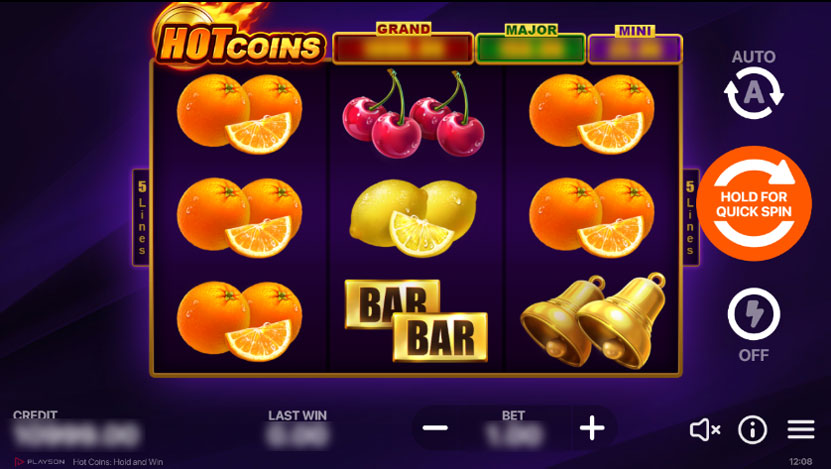
Any reliable bankroll plan starts with a clear view of how Hold and Win games actually work https://hold-and-win.org/. Most lay out a 5‑reel grid where landing a certain number of bonus symbols, usually six or more, kicks off the Hold and Win feature. Once initiated, those symbols remain fixed and you receive three respins. Every new bonus symbol that appears renews the respin counter to three and holds itself on screen. Payouts come from the values shown on each symbol, which can vary from small multipliers to fixed jackpots named Mini, Minor, Major and Grand. The feature finishes when respins fall to zero or every position on the grid is occupied. One point that takes players off guard: the base game RTP is often set noticeably lower than the overall claimed RTP, because a large chunk of the return is kept for the feature. That structural delay means your balance has to endure long dry spells. Real‑world data from Hold and Win Games reveals feature hit rates can land anywhere from 1 in 100 to 1 in 300 spins, a number that directly shapes how much bankroll you want for a session.
The reason Bankroll Planning Requires a Alternative Approach in Australia
Australia’s gaming environment offers bankroll planning for Hold and Win titles a unique twist. Electronic gaming machines are distributed through clubs, pubs and casinos in New South Wales, Queensland, Victoria and other states, usually built into loyalty schemes that promote extended play. Unlike some overseas markets where these games run online, the local scene focuses around physical cabinets with minimum bet denominations that influence the whole session rhythm. A casual pub stop in Brisbane with a $10 note can see the Hold and Win feature burn through that cash in under two minutes if your bet size isn’t adjusted. Australian regulations also cap the maximum wager per spin, typically at $5 or $10 depending on the venue, which sets a hard ceiling on any betting strategy. The result is that you can’t manage your money in a vacuum of percentages. You need a real-world sense of how fast a session stake can vanish. Hold and Win Games notes that Aussie players profit from sizing their bets to fit both the machine’s denomination and how often they play, so the entertainment stays within comfortable limits.
The Purpose of Record Keeping and Digital Tools
Monitoring your play turns bankroll planning from a unclear idea into a data‑backed habit. Without tracking wins, losses, session lengths and feature hits, there’s no way to sharpen your money management over time. Numerous Australian players keep it simple with a pocket notebook or a notes app on their phone. Others use spreadsheet templates that capture the date, venue, game title, starting bankroll, ending balance, duration and bet size used. If you move between multiple Hold and Win titles, clear records help you spot which games give longer play for your wager. Hold and Win Games offers a community view of expected performance, but your own records are the most trustworthy mirror of your play patterns. Key to note:
- Time and place, for example your local RSL in Perth or a casino in Melbourne.
- The game name and coin value you selected.
- Beginning balance and ending balance.
- Overall duration of active play.
- Number of feature triggers and the combined payout.
- All reloads and why you deposited extra.
Examining this data each month shows whether your actual loss rate is drifting outside the recreational budget. It also gives you hard evidence to fight the memory bias that tends to overstate wins and minimize losses. When Australian players share anonymised logs with communities like Hold and Win Games, collective patterns sometimes arise about certain machine setups or venue‑specific quirks, though those observations stay anecdotal and merit a cautious read.
Splitting Your Bankroll for Adaptable Gameplay
One of the most reliable techniques recommended by Hold and Win Games is deliberately dividing a gaming budget into designated pieces. Instead of sitting down with a single total sum, you split your total funds into segments with specific jobs. This establishes automatic stop points that help you avoid impulsive top‑ups when the feature doesn’t appear. The split should reflect both the number of visits you plan and your personal loss tolerance. For example, an Australian punter who hits the local club twice a week might set a weekly limit of $200, divided into two $100 session stakes. Each session stake then gets divided into three or four buy‑in units to halt the cash bleeding away too fast. That structure creates a natural pause to reassess. Here are practical steps to divide a bankroll:
- Work out a monthly entertainment budget that doesn’t touch household money.
- Determine how many gaming visits you plan to make that month.
- Break the monthly amount into even session bankrolls for each visit.
- Inside each session, divide the money into smaller unit buy‑ins amounting to about 20–25% of the session stake.
- Define a hard loss limit per unit. If the unit is gone, move on or switch machines.
- Define a win goal for each unit, for example 50% profit, where you collect and take a break before starting a new unit.
This layered approach lessens the wild swings that come with Hold and Win games. By keeping future unit money out of reach, you shield the rest of your session budget from emotional decisions. Australian club regulars who apply this segmentation often mention they experience more in control and enjoy more stable session lengths. Hold and Win Games notes that the discipline of pocketing small wins avoids the common trap of recycling every return straight back into the machine and getting caught by a sudden cold streak.
Volatility Analysis and Its Role in Fund Management
Volatility decides how a Hold and Win game distributes its payouts across time. High‑volatility titles, which dominate this category, concentrate their returns into infrequent but possibly substantial feature payouts, while low-risk cousins give more stable small base game wins. For Australian players, assessing where a certain game sits on that spectrum is essential before risking cash. A useful way is to observe the machine in demo mode if the venue offers it, or check recorded sessions on platforms like Hold and Win Games that record real‑play numbers. A game that consistently asks for 200 spins or more before triggering the Hold and Win feature demands a bankroll that can endure long dry patches. A game with more common but smaller features might let you push the bet size a bit higher. Look out for progressive jackpots too; they often increase volatility because the Grand contribution is pulled from the base game returns. Smart money management integrates volatility into the plan by tailoring session bankroll size to the projected run of dead spins. For high‑volatility Hold and Win games, a basic guide is to hold at least 250 times your selected bet size so you can endure the mathematical bumps.
Keeping Discipline By Emotional Control
No matter how the best laid bankroll plan falls apart if you can’t handle the psychological pressure which Hold and Win games dish out. Flashing lights and sound effects throughout the respin count, especially when you’re one symbol short of a major jackpot, trigger a rush that can easily override rational thinking. Australian venues are designed for comfort and immersion, with free drinks and a social buzz that can pull you into longer sessions and bigger bets. Discipline in this setting means identifying the moment your session limit has been hit and leaving, no matter how close the last feature appeared. A simple trick is to place only your session bankroll onto a separate prepaid card and keep everything else at home. Another is to fire off a phone timer that forces a mandatory break after a set period, breaking you free of the flow state that feeds chasing. Players who integrate these external controls often find it much easier to adhere to the segmentation boundaries and bet‑size targets already covered. Hold and Win Games keeps hammering home the point that bankroll planning isn’t a one‑off setup; it’s a behavioural skill that grows with practice and honest self‑review.
Solid bankroll planning for Hold and Win titles in Australia relies on knowing the mechanics, splitting your cash, reading volatility and executing with discipline. Allocating your funds into session units, determining bet sizes from a realistic spin‑count goal and keeping honest records can turn a reactive gambling habit into a deliberate, transparent activity. The Australian landscape, with its club‑based culture and firm regulations, favours those who come in with a clear heads‑up money plan. No strategy can erase the house edge, but a methodical approach ensures your time on Hold and Win games framed as entertainment rather than a financial mistake. The tools and thinking presented here, backed by insights from Hold and Win Games, deliver a real‑world route to playing longer and more mindfully.